Financing opportunities for commercial properties and businesses, evaluated by property, borrower circumstances, documentation, and transaction structure — plus SBA, business, and residential options.
Mortgage Bankers Corporation helps Los Angeles and California clients evaluate commercial, business, and residential lending paths without forcing every goal into the same program.
Commercial real estate financing is used to acquire or refinance eligible business and income-producing property. It often involves more than the real estate itself — property use, tenant profile, operating business cash flow, borrower strength, equity, experience, documentation, and timing can all affect which structures deserve consideration.
Mortgage Bankers Corporation helps California owner-users and commercial investors evaluate financing for offices, medical and professional buildings, retail properties, gas stations, shopping centers, mixed-use properties, industrial assets, and other eligible commercial real estate. Since 1985, our role has been to understand the transaction first, identify realistic financing paths, and help clients navigate lender requirements with greater clarity.
What we help evaluate:
Purchase or refinance, for owner-user or eligible investment property
Gas stations and convenience-related real estate
Shopping centers and other retail commercial properties
Office, medical, mixed-use, and industrial assets
Leases, net operating income, and debt-service coverage
Business cash flow, borrower experience, equity, and reserves
Long-term financing compared with bridge or transitional options
Four decades of lending relationships and California market experience can help identify where a transaction may fit before time is spent pursuing the wrong structure.
Residential mortgage loans may help finance a primary home, second home, 1–4 unit property, or eligible multifamily scenario. A residential decision involves more than rate alone — occupancy, income, assets, credit, reserves, property type, rental income, and long-term plans can all affect the options actually available.
Mortgage Bankers Corporation helps California homebuyers, homeowners, and investors compare financing paths based on the borrower and property profile in front of us, not a one-size-fits-all product.
What we help evaluate:
Primary residence or second home
1–4 unit properties and eligible multifamily scenarios
Purchase or refinance
Income, assets, credit, and reserves
Rental-income considerations, where applicable
Owner-occupied and eligible investment scenarios
Program eligibility and terms vary — our role is to help identify which ones are realistically in play for your situation.
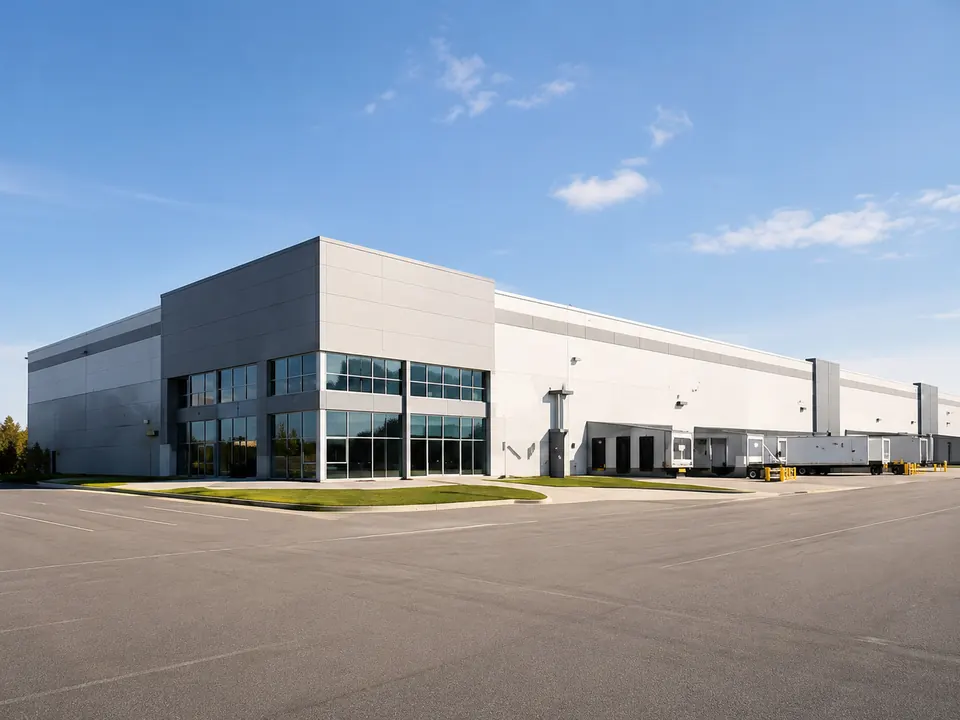
Industrial and warehouse financing can support eligible acquisitions, refinances, and expansion plans for operational real estate — warehouses, logistics and distribution facilities, and light-manufacturing space. Underwriting typically evaluates the property and the operating business together.
Mortgage Bankers Corporation helps California owner-users and investors think through property functionality, occupancy, business cash flow, location, and expansion strategy before a lender does.
What we help evaluate:
Warehouse, distribution, and logistics space
Manufacturing and production facilities
Owner-user acquisitions and eligible investment properties
Expansion, refinance, and repositioning scenarios
Loading access, clear height, and use requirements
Business cash flow and property-level underwriting
Industrial transactions often move on the strength of the operating business as much as the real estate — four decades of lending relationships can help make sense of that combination.
Healthcare and professional practice financing may help eligible medical, dental, legal, and other professional businesses address real estate, equipment, build-out, or expansion needs. These transactions often combine a real estate decision with a business decision, so both tend to matter to a lender at the same time.
Program availability depends on business performance, guarantor profile, cash flow, project costs, collateral, and lender requirements. Mortgage Bankers Corporation helps practice owners organize a request around the practice itself — not just the property — drawing on relationship-based guidance built over four decades of California lending.
What we help evaluate:
Practice acquisition or change of ownership
Owner-occupied medical, dental, or professional office real estate
Equipment financing and tenant improvements
Expansion into a larger space or additional location
Refinance of existing practice debt
Business cash flow, guarantor strength, and collateral
Documentation and lender underwriting requirements
Practice financing rewards a lender who understands both the real estate and the business behind it — that combination is where four decades of relationship-based guidance can help.
Investment property financing can support eligible rental acquisitions, refinances, stabilization, and portfolio growth in California. Depending on the program, qualification may weigh property-level cash flow and DSCR as heavily as — or more than — personal income.
Mortgage Bankers Corporation helps investors think through leverage, reserves, liquidity, and hold strategy alongside the numbers a lender will underwrite, whether the goal is a single rental or continued portfolio growth.
What we help evaluate:
Acquisition and eligible refinance of rental property
Property-level cash flow and DSCR-oriented structures, where applicable
Reserves, liquidity, and borrower experience
Portfolio strategy and leverage across multiple properties
Cash-out scenarios to fund the next acquisition
Long-term hold versus transitional financing
Not every investment loan is underwritten the same way — matching the structure to the property and the investor's strategy is the work.
A refinance should solve a specific problem — a maturing balloon, a rate or payment objective, an equity need, or a plan to move out of short-term financing into something more stable. Refinancing is not automatically the right move, and outcomes vary by borrower, property, lender, and market conditions.
Mortgage Bankers Corporation reviews the existing loan against the current property and your objective before recommending a direction, so the request is built around what you're actually trying to accomplish.
What we help evaluate:
Rate-and-term refinance
Eligible cash-out scenarios
Maturity or balloon-payment timing
Debt restructuring and consolidation
Property repositioning after a value-add plan
Bridge-to-permanent transitions
There is no guaranteed savings or approval — the goal is an honest comparison of what refinancing would and wouldn't change.
Construction financing may support eligible ground-up development, major renovation, or property expansion, typically funded through a staged-draw structure tied to project milestones. This is a different underwriting exercise than permanent financing — the project plan matters as much as the property.
Lenders typically review the budget, plans, permits, contractor experience, contingencies, and the exit strategy once construction is complete. Mortgage Bankers Corporation helps clients organize that plan before it reaches a lender's desk.
What we help evaluate:
Ground-up construction and major renovation
Tenant improvements and property repositioning
Budget, plans, permits, and contractor review
Draw schedules and project milestones
Contingency planning
Exit strategy into sale, refinance, or permanent debt
Construction financing is different from permanent financing in structure, cost, and risk — knowing which one you're arranging matters from day one.
Bridge loans can support eligible real estate acquisitions or transitions when timing matters and a clearly defined short-term structure and exit strategy are in place. They're often used to close quickly while a refinance, sale, lease-up, or stabilization plan is arranged in parallel.
Timing, pricing, leverage, and availability vary meaningfully by borrower, property, lender, and market conditions — bridge financing can carry different costs and risk than permanent financing, and that trade-off should be clear from the start.
What we help evaluate:
Acquisition timing and closing speed
Sale-to-purchase transitions
Stabilization and repositioning plans
Collateral, equity, and leverage
Repayment or refinance exit strategy
Holding-period cost versus permanent financing
A bridge loan is only as sound as its exit — we help make sure that plan is realistic before it's needed.
Hard money loans may provide an asset-based option for eligible real estate scenarios that don't fit conventional lending — a timing gap, a property in transition, or a documentation profile that a conventional lender isn't set up to underwrite. Property value and equity carry more weight than they would in a conventional loan.
Borrower experience, repayment strategy, and lender guidelines still matter, and pricing and terms can vary substantially between lenders. Mortgage Bankers Corporation helps clients understand what they're actually agreeing to before moving forward.
A business line of credit may help eligible companies manage working capital, inventory cycles, payroll timing, seasonal expenses, or measured growth. Unlike a fixed-term loan, funds can be drawn and repaid as the business's needs change.
Limits, draws, repayment requirements, pricing, and availability depend on the business, its guarantors, the lender's program, and underwriting. Mortgage Bankers Corporation helps business owners understand which structure actually fits a revolving need versus a one-time capital need.
What we help evaluate:
Working capital and operating cash-flow gaps
Inventory and receivables timing
Seasonal expense cycles
Payroll and short-term liquidity needs
Revolving access versus a fixed-term loan
Guarantor strength and business financials
A line of credit and a term loan solve different problems — matching the tool to the need is where most of the value is.
SBA loans, offered through participating lenders, may support eligible business acquisition, real estate, equipment, and growth needs. The two most common programs work differently: SBA 7(a) can support a broader range of purposes, including business acquisition or a change of ownership, working capital, equipment, and qualified debt refinancing, while SBA 504 is focused on long-term fixed assets — typically real estate and major equipment — and isn't a general working-capital program.
Every request is subject to SBA requirements, lender credit standards, documentation, and underwriting, and approval is never guaranteed. Mortgage Bankers Corporation helps business owners evaluate which SBA-backed path fits their goal and organize a request participating lenders can actually underwrite.
What we help evaluate:
Business acquisition or change of ownership
Owner-occupied business real estate
Equipment financing
Business expansion
Working capital, where the program permits
Qualified business-debt refinancing
Eligibility, documentation, and lender requirements
SBA programs reward a request that's organized correctly from the start — we help line that up before it reaches a participating lender.
Jumbo loans may support eligible California home purchases or refinances above applicable conforming loan limits. Because these loans fall outside conventional agency guidelines, programs and requirements can vary meaningfully from one lender to the next.
Qualification can require detailed income and asset documentation, reserves, a closer property review, and lender-specific underwriting — including for self-employed or otherwise complex borrower profiles. Mortgage Bankers Corporation helps higher-value buyers compare what different lenders actually require.
What we help evaluate:
Higher-value home purchases
Eligible refinance above conforming limits
Income, assets, and reserve requirements
Property review and appraisal considerations
Self-employed and complex-income profiles, where eligible
Lender-specific credit and documentation standards
Jumbo guidelines vary more by lender than conforming loans do — comparing programs, not just rates, is where the value is.
First-time home buyer loan options may help eligible California buyers evaluate purchase programs, documentation, and financing readiness. For a first purchase, understanding the process is often as important as the loan itself — budget, monthly payment, down payment, and realistic timeline all need to line up before an offer goes in.
Availability and terms depend on borrower qualifications, property eligibility, lender guidelines, market conditions, and underwriting, and approval is never guaranteed. Mortgage Bankers Corporation walks first-time buyers through what to prepare and what to expect, rather than starting with a rate quote.
What we help evaluate:
Purchase readiness and budget
Income, assets, and credit documentation
Down payment and reserve requirements
Eligible first-time buyer program comparison
Realistic purchase timeline
Monthly payment and long-term affordability
Four decades of helping California buyers through this process means most of the questions a first-time buyer has, we've already walked someone through.
Purchase, refinance, build, bridge a timing gap, or fund business growth.
02
Set the timeline
Closing speed and long-term plans help narrow the available structures.
03
Review the profile
Property value, income, business cash flow, equity, and experience all matter.
04
Compare the fit
Evaluate program requirements, payment structure, costs, and the exit plan.
Common questions
Start with the essentials.
What can commercial real estate financing be used for?
Commercial real estate financing may support an eligible property acquisition or refinance for owner-users and investors. Common scenarios include offices, medical or professional buildings, retail, industrial, warehouse, mixed-use, and other income-producing or business-occupied properties. Property and borrower eligibility vary by lender and underwriting.
What information helps evaluate a commercial property request?
A useful first summary includes the property type and location, purchase price or estimated value, requested loan amount, occupancy, current leases or income, operating business details when applicable, available equity, financing purpose, and target timeline. See the commercial financing FAQ for more context.
What should I prepare for an initial financing conversation?
Bring a short summary of your goal and timeline, plus any available property, payoff, income, business, or entity documents. The exact list depends on the financing path.
Can more than one financing option fit the same situation?
Yes. A short-term bridge loan may support an acquisition before a longer-term refinance, while other scenarios may qualify through more than one program.
Does Mortgage Bankers Corporation work outside Los Angeles?
Mortgage Bankers Corporation is based in Los Angeles and evaluates eligible commercial and business financing opportunities across the United States, subject to lender, program, property, and eligibility requirements. Residential financing is offered across California.
Not sure which solution fits?
Let’s build the right financing path.
Tell us about your property, business, or financing goal. Our team will help you understand the next practical step.