Fuel & convenience-property financing
Gas StationFinancing in California
Financing conversations for gas station real estate and, where applicable, the operating fuel or convenience-store business, reviewed against property, environmental, and business documentation.
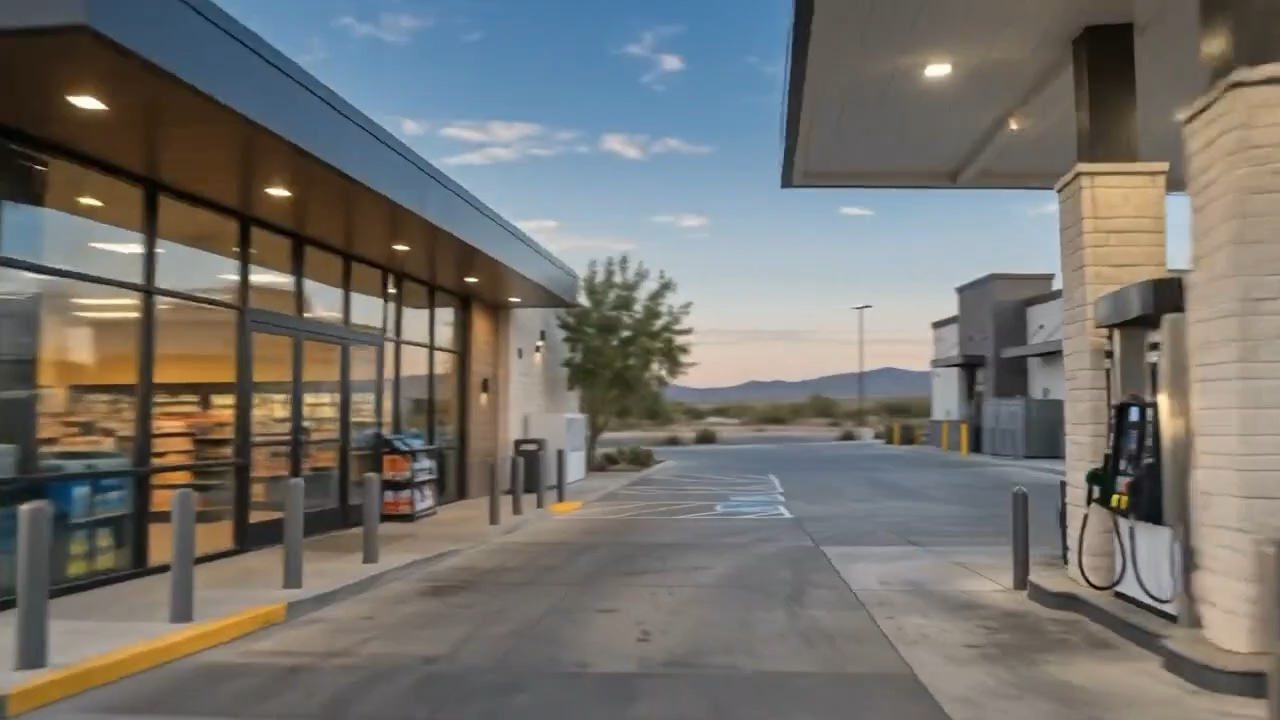
Gas Station Financing Can Involve More Than the Real Estate
A gas station transaction can bring together an operating business, specialized fuel infrastructure, and property/environmental history — alongside the real estate itself. Six inputs commonly interact, and understanding how is the starting point for any workable financing path.
Borrower
Financial profile, experience, liquidity, ownership structure.
Operating Business
Fuel and/or convenience-store revenue, margins, operating history.
Real Estate
Location, site condition, improvements, market value.
Fuel Infrastructure
Underground storage tanks, dispensers, canopy, age and condition.
Environmental / Property History
Tank status, compliance records, and any known releases or remediation.
Financing Structure
Loan purpose, program fit, collateral, and how the pieces are structured together.
What are you trying to do?
Start with the situation closest to yours — it carries straight into the conversation below.
What May Be Evaluated
Depending on the transaction and program, lenders commonly review several factors together, grouped here for clarity:
Business Performance
- Fuel volume and margins
- Inside / convenience-store sales
- Historical operating results, P&L and tax returns
- Franchise / supply agreement terms
Property + Infrastructure
- Real estate value and condition
- Underground storage tank age, permitting and compliance
- Environmental records and site history
- Equipment and canopy condition
Borrower
- Liquidity and equity
- Credit profile
- Operator experience
- Ownership / entity structure
Transaction
- Loan purpose and requested amount
- Existing debt
- Collateral structure
- Program and lender fit
These are factors that may be evaluated, depending on the transaction, property, and program — not a universal lender checklist. Exact requirements are set by the applicable lender.
Capital Paths
No path is automatically superior — the right one depends on the property, the business, the borrower, and the transaction structure.
SBA
7(a) & 504 Programs
May be relevant where business acquisition, real estate, equipment, working capital, or multiple purposes interact, depending on eligibility and program requirements — never assumed in advance.
As of July 2026, SBA raised the cumulative 7(a)-plus-504 loan limit to $10 million for qualifying borrowers — a meaningful change for larger or combined transactions, subject to program requirements. Source: SBA.gov
Conventional
Conventional Financing
May fit transactions that align with conventional lender underwriting and property/business requirements, outside SBA program-specific guidelines.
Bridge / Private
Bridge or Private Financing
May sometimes be considered where timing, transition, or transaction complexity warrants evaluating another capital path.
Our approach
Profitable Does Not Always Mean Easy to Finance
A fundamentally viable gas station transaction can still encounter friction. The first step is identifying what is actually creating the obstacle.
- Documentation mismatch
- Historical tax-return issues
- Business / property valuation interaction
- Environmental or property questions
- Operator experience
- Existing debt
- Timing
- Ownership / entity structure
- Previous lender fit
Mortgage Bankers' role is not to bypass underwriting. The objective is to understand the transaction, identify what is actually complicating it, prepare the information, and explore appropriate financing paths.
Have a property or business you want to discuss?
Discuss Your Gas Station Transaction
Shahram "Sean" Elyaszadeh
Founder, Mortgage Bankers Corporation
Gas station transactions rarely come down to one number. Four decades of evaluating property, business, and borrower circumstances shapes how a file gets reviewed before it ever reaches a lender:
- Evaluating transactions that combine real estate, an operating business, and fuel infrastructure together
- Recognizing where environmental, documentation, or structural issues are likely to surface
- Understanding what a given lender or program is likely to focus on
- Preparing a financing presentation appropriately for a complex transaction
- Exploring reasonable, appropriate financing paths
What May Be Helpful Before the Conversation
Preparing the following in advance can help, though exact requirements are always set by the applicable lender and program:
Transaction
- Purchase or refinance purpose
- Requested financing range
- Timing
- Property location
Business
- Recent operating information
- P&L, where applicable
- Tax filings, where relevant
- Fuel / inside-sales information, where available
Property
- Real estate information
- Existing financing, if any
- Environmental / property records, where relevant
Borrower
- Experience
- Ownership structure
- Liquidity / equity context
Process & Timeline Expectations
Understand
The transaction and objective.
Identify
Key variables across property, business, and structure.
Review
Available information and documentation.
Explore
Appropriate financing paths.
Next Steps
Determine what's needed to move forward.
Timing, terms, approval, and closing depend on the applicable lender, underwriting, property, and environmental review. Mortgage Bankers does not control lender approval, rates, or closing dates.
Working with Mortgage Bankers Corporation
Mortgage Bankers Corporation was founded in 1985 by Shahram "Sean" Elyaszadeh and has served California clients from its Los Angeles office for over four decades, holding California DRE corporate license #01375131. Program availability, lender eligibility, and environmental/tank requirements vary by transaction.
Request a Gas Station Financing Review
A few short steps. Nothing you enter here is an application, approval, rate quote, or commitment to lend.
Gas station financing FAQs
What makes gas station financing different from other commercial real estate financing?
Gas stations combine specialized real estate with an operating fuel and/or convenience-store business, fuel infrastructure such as underground storage tanks, and often environmental/property history — factors a typical commercial property does not carry together. Lenders active in this space generally evaluate several of these at once, not the real estate alone.
Can financing include both the operating business and the real estate?
It depends on the transaction. Some requests involve real estate only, while others include the fuel/convenience-store business as well. Structuring depends on what is being acquired or refinanced and on lender/program requirements.
Can SBA financing be used for a gas station acquisition?
SBA 7(a) and 504 programs may be relevant depending on eligibility, tank status, environmental findings, and program requirements — never assumed in advance of underwriting. As of July 2026, SBA raised the cumulative 7(a)-plus-504 loan limit to $10 million for qualifying borrowers, which can matter for larger or combined transactions. Source: SBA.gov
What information may lenders review?
Depending on the transaction and program, lenders may review business tax returns and financial statements, fuel volume and inside/convenience-store sales, real estate value and condition, underground storage tank age and compliance records, environmental reports, borrower liquidity and experience, and existing debt. Exact requirements vary by lender.
Why do environmental records and underground storage tanks matter?
EPA-regulated underground storage tank systems can, if not properly maintained, contaminate soil and groundwater, so environmental records and property history may become important to lenders and transaction participants depending on the property, program, and transaction. This is general education, not a statement that every transaction requires the same specific procedure.
Can an existing gas station loan be refinanced?
Refinance conversations are common — for replacing existing financing, accessing equity, or addressing an approaching loan maturity. Eligibility depends on current property performance, tank/environmental status, and lender/program requirements.
What if another lender already reviewed or declined the transaction?
A prior decline or an incomplete transaction with another lender does not automatically rule out financing elsewhere. It is useful information for evaluating what happened and whether a different structure, lender, or documentation approach is appropriate.
Does a consultation guarantee financing approval or terms?
No. A consultation is a general discussion of the property, business, and financing goal. It is not an application, approval, rate quote, or commitment to lend. Approval, terms, and funding are subject to full underwriting, environmental review, and lender requirements.